
Previous tense for break – Previous tense for “break” – a vital side of English grammar typically neglected. Understanding its nuances unlocks exact communication, essential for any author or speaker aiming to convey particular actions previously. This exploration delves into the assorted kinds and utilization eventualities, highlighting the refined variations that separate efficient from ineffective communication.
The verbs “break” and “broke” are basic to conveying actions previously. Understanding methods to use them appropriately can dramatically improve the influence of your writing and speech. We’ll cowl examples demonstrating when to make use of “broke” versus “damaged,” and the way the context impacts the selection. This exploration goes past primary grammar to look at the refined methods these verbs add depth and readability to narratives.
Understanding the previous tense of “break” may appear easy, however its nuances can considerably influence your writing, particularly in formal contexts. This text delves into the assorted types of the previous tense, exploring their utilization in several eventualities. We’ll additionally focus on frequent errors and methods to keep away from them, offering you with a complete information to utilizing the previous tense of “break” appropriately.
Understanding the previous tense for “break” is essential for exact communication. Nonetheless, when contemplating the nuances of previous actions, it’s good to take into the account different contexts. This cautious consideration of context is important for appropriately utilizing the previous tense of break, making certain your message is evident and correct.
The Primary Previous Tense: “Broke”
The commonest previous tense type of “break” is “broke.” This kind is used for many conditions the place you wish to describe an motion of breaking one thing previously. For instance: “Yesterday, I broke my favourite mug.” “The vase broke throughout the transfer.”
The Previous Participle: “Damaged”: Previous Tense For Break
The previous participle, “damaged,” is essential for establishing excellent tenses. It is utilized in phrases like “had damaged,” “has damaged,” or “could have damaged.” As an example: “By the top of the day, they had damaged the file.” “I am glad the window wasn’t damaged.”
Context Issues: Distinguishing Between “Broke” and “Damaged”
The distinction between “broke” and “damaged” typically hinges on the context. “Broke” is used as the straightforward previous tense, describing a accomplished motion previously. “Damaged,” because the previous participle, describes a state or situation ensuing from a previous motion. Instance: “The glass broke.” (Motion) vs. “The glass is damaged.” (State).
Understanding the previous tense for “break” is essential for clear communication. Whereas the commonest previous tense type is “broke,” exploring associated vocabulary, comparable to four-letter phrases ending with “b,” like “club,” “grab,” or “flib” , can improve your understanding of the nuances of the verb. This broader perspective in the end strengthens your grasp of the previous tense for “break” in numerous contexts.
Contemplate the sentence, “He broke the information, and the world was damaged for some time.” Right here, “broke” signifies the act of delivering the information, whereas “damaged” highlights the ensuing emotional state.
Understanding the previous tense for “break” is essential for grammar, however do you know the phrase “cyka blyat” in Russian, typically utilized in on-line tradition, holds a captivating origin? This page details the origins of cyka blyat in Russian. Whereas the nuances of Russian slang could appear far eliminated, mastering the previous tense for “break” stays a key ingredient in language acquisition.
Past the Fundamentals: Irregularities and Exceptions
Whereas “broke” and “damaged” are the commonest kinds, there are situations the place different variations are essential. One instance includes the phrasal verb “break down.” Previously tense, this turns into “broke down.” As an example, “The automobile broke down on the freeway.” One other instance: “The assembly broke up early.” Understanding these phrasal verbs is crucial for correct communication.
Frequent Errors and How one can Keep away from Them
A frequent error includes mixing up the previous tense and previous participle. At all times keep in mind that “broke” is the straightforward previous, whereas “damaged” is the previous participle. Be aware of the tense required within the sentence. [See also: Mastering Tense Consistency in Writing].
Understanding the previous tense of “break” is essential for clear communication. Whereas “broke” is the frequent previous tense, it is value noting that the associated three-letter phrases ending in ‘z’, like “fiz,” “fez,” and “giz” ( three letter words that end in z ), supply a captivating linguistic detour. In the end, selecting the best previous tense for “break” is essential to efficient writing.
Sensible Purposes: Examples from Totally different Contexts
Let’s study how the previous tense of “break” is utilized in numerous contexts:
- Historical past: “The Roman Empire broke aside within the fifth century.”
- Sports activities: “The workforce broke the file for many wins in a season.”
- Private Experiences: “I broke my promise, and I remorse it.”
Conclusion
Understanding the previous tense of “break” is essential for efficient communication. By greedy the totally different kinds and contexts, you may improve your writing and keep away from frequent errors. Bear in mind to pay shut consideration to the precise that means you wish to convey and select the suitable type accordingly. Mastering these refined variations elevates your writing, making it extra exact and impactful.
Additional Exploration
To delve deeper into the intricacies of verb tenses, discover these associated subjects:
- [See also: A Comprehensive Guide to Verb Tenses]
- [See also: Common English Verb Conjugations]
Do you’ve any questions or feedback in regards to the previous tense of “break”? Share your ideas under!
Understanding the previous tense for “break” is essential for clear communication, particularly when discussing previous occasions. This typically intersects with ideas just like the burden of accountability, notably when analyzing historic selections. For instance, understanding how somebody “broke” a promise previously would possibly relate to a crossword clue like “burden of accountability,” as discovered on this useful resource: burden of responsibility crossword clue.
In the end, appropriately utilizing the previous tense for “break” is crucial for correct historic context.
Share this text on social media to assist others enhance their writing abilities!

In conclusion, mastering the previous tense of “break” is greater than only a grammatical train. It is about attaining precision in communication, enabling you to articulate previous actions with readability and influence. This data empowers you to inform extra compelling tales, whether or not you are crafting compelling narratives, delivering displays, or just partaking in on a regular basis conversations. Bear in mind, the best phrase alternative could make all of the distinction.
Question Decision
What are the totally different types of the previous tense for “break”?
The previous tense of “break” is primarily “broke.” Nonetheless, “damaged” additionally has a task as a previous participle, utilized in excellent tenses (e.g., “The vase was damaged”).
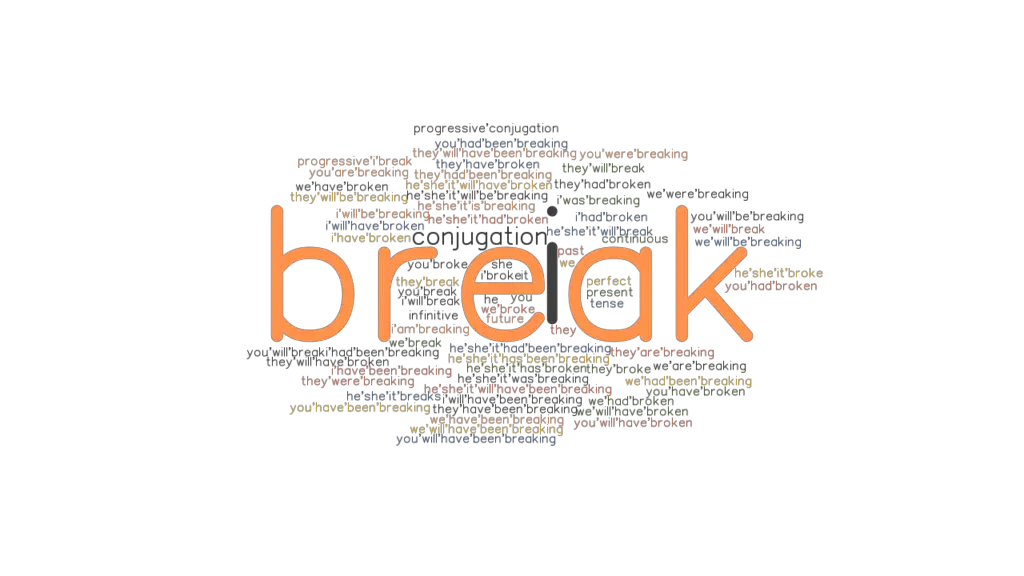
When do I take advantage of “broke” and when do I take advantage of “damaged”?
“Broke” is used as the straightforward previous tense to explain the motion itself. “Damaged” is used as a previous participle, normally with auxiliary verbs like “have,” “had,” or “was/have been,” to explain the outcome or state of being damaged.
Are there any exceptions or particular instances to recollect?
Whereas typically easy, some nuanced contexts would possibly require extra consideration. For instance, sure idiomatic expressions or figurative language would possibly make use of “break” in surprising methods. Seek the advice of a complete grammar information for extra complicated functions.
