
Water in all places and never a drop to drink – a stark actuality dealing with communities worldwide. This paradox highlights the complicated interaction between plentiful water sources and extreme shortage. From historic droughts to fashionable mismanagement, the problem calls for pressing consideration and revolutionary options. This exploration delves into the foundation causes of this international problem, analyzing the function of human influence and local weather change, whereas additionally analyzing potential options for sustainable water administration.
The world’s water sources are inconsistently distributed, with some areas blessed with abundance whereas others grapple with crippling shortages. This disparity typically stems from components like unsustainable agricultural practices, air pollution, and insufficient infrastructure. Understanding these complexities is crucial to creating efficient options.
Paradoxes of Abundance and Shortage
The world typically presents a stark distinction between the supply of sources and their accessibility. That is nowhere extra evident than within the case of water, a basic necessity for all times. Whereas huge portions of water exist globally, vital parts of the world inhabitants grapple with water shortage, highlighting a posh interaction of things. This paradox, the place water is in all places and but unavailable to many, calls for cautious examination of its underlying causes and potential options.The supply of water is not merely a matter of its bodily presence.
Financial components, political dynamics, and social inequalities play essential roles in figuring out who has entry to this valuable useful resource. Understanding these intertwined components is essential to addressing the pervasive problem of water shortage.
Comparative Evaluation of Water Shortage and Abundance
Areas with seemingly plentiful water sources typically face shortage attributable to inefficient infrastructure, unequal distribution, or poor water administration practices. Conversely, areas with restricted water sources could expertise acute shortages attributable to drought, air pollution, or over-extraction. A comparative evaluation reveals a big disparity in water entry, even inside the identical geographic area.
Forms of Water Shortage
Water shortage manifests in numerous types, encompassing each bodily and financial dimensions. Bodily shortage refers back to the precise lack of water sources, typically attributable to drought or restricted rainfall. Financial shortage, however, arises when water sources can be found however will not be accessible attributable to insufficient infrastructure, unequal distribution, or lack of funding for water administration.
Software of the “Water In every single place, Not a Drop to Drink” Paradox, Water in all places and never a drop to drink
The adage “water in all places and never a drop to drink” aptly describes conditions the place water is bodily current however inaccessible attributable to numerous components. This precept applies to many societal contexts, from useful resource mismanagement in agriculture to unequal entry in city areas. Poor infrastructure, corruption, and conflicts over water rights can exacerbate this downside.
Historic and Modern Examples
The paradox of water abundance and shortage has been noticed all through historical past. As an illustration, the traditional Mesopotamian civilizations thrived in river valleys, but struggled with inconsistent flooding and irrigation points. Trendy examples embrace areas experiencing extreme droughts regardless of seemingly ample water sources, highlighting the significance of efficient water administration.
Desk: Distinction Between Areas with Ample and Scarce Water Assets
| Area | Water Availability | Social Affect | Financial Affect |
|---|---|---|---|
| Amazon Basin | Excessive (plentiful rainfall and rivers) | Excessive inhabitants density in some areas, however others expertise isolation attributable to restricted infrastructure | Agriculture is necessary, however entry to markets and transportation may be difficult |
| Center East | Variable (droughts and arid circumstances widespread) | Elevated competitors for water sources, displacement of communities | Agriculture and different industries are severely affected by water shortage; water-intensive industries face constraints |
| California | Assorted (vital rainfall in some areas, droughts in others) | Water shortages in sure areas, pressure on agricultural manufacturing | Impacts on agriculture, tourism, and different water-dependent industries; water infrastructure enhancements wanted |
| Components of India | Excessive (monsoon season brings vital rainfall) | Flooding and waterlogging in some areas, however others face water shortages attributable to poor infrastructure | Agriculture is closely reliant on monsoon rains, impacting meals safety |
Human Impacts on Water Availability
Human actions are profoundly altering the fragile stability of the water cycle, resulting in each depletion and air pollution of important water sources. Understanding these impacts is essential for creating sustainable water administration methods and making certain the long run availability of unpolluted water for all. The implications of unsustainable practices are already evident in lots of components of the world, and proactive measures are wanted to mitigate additional harm.The relentless stress of human populations, coupled with rising calls for for agriculture, business, and home use, has dramatically strained water sources.
This stress manifests in numerous methods, together with over-extraction of groundwater, damming rivers for irrigation and hydroelectric energy, and the air pollution of floor and groundwater methods. These actions typically have cascading results on ecosystems and human societies, impacting not simply speedy water availability but in addition long-term sustainability.
Over-extraction of Groundwater
Groundwater, an important supply of consuming water and irrigation for a lot of communities, is usually over-extracted, resulting in depletion of aquifers and land subsidence. This unsustainable apply diminishes the pure replenishment charge of groundwater reserves and may end up in long-term water shortage. In sure areas, the speed of extraction exceeds the pure recharge charge, resulting in everlasting water desk decline and impacting agriculture and ecosystems depending on groundwater.
The irony of water in all places, but not a drop to drink, is a potent metaphor. Take into consideration the worldwide water disaster and the pressing want for sustainable options. This stark actuality, nonetheless, is typically overshadowed by different urgent points. For instance, exploring the huge lexicon of 4 letter phrases v, a posh and engaging exploration of language, reveals the human capability for each profound magnificence and harsh actuality.
Finally, the basic human want for clear water stays a crucial problem.
Air pollution of Water Sources
Industrial discharge, agricultural runoff, and sewage contamination considerably pollute water sources. These pollution introduce dangerous chemical substances, pathogens, and extra vitamins, rendering water unsafe for human consumption and detrimental to aquatic life. The contamination can prolong to floor waters, groundwater, and even consuming water sources, highlighting the interconnectedness of water methods and the significance of complete air pollution management measures.
The paradox of water in all places and never a drop to drink highlights the essential want for entry to scrub, protected water. Understanding the intricacies of water shortage requires a deeper have a look at societal components, just like the differing roles of maternal and paternal figures in water administration, as explored on this informative article: what is the difference between maternal and paternal.
This crucial problem of entry stays a worldwide problem, impacting communities worldwide.
Affect of Local weather Change on Water Assets
Local weather change exacerbates water shortage in lots of areas by altering precipitation patterns and rising the frequency and depth of maximum climate occasions. Droughts develop into extra extended and extreme, lowering water availability for agriculture and human consumption. Conversely, floods can overwhelm infrastructure, resulting in water contamination and displacement. These occasions spotlight the pressing want for water infrastructure resilience to local weather change impacts.
Comparability of Water Administration Methods
Numerous water administration methods are employed to mitigate the impacts of human actions. These methods vary from bettering water conservation practices in agriculture and business to implementing stricter laws on industrial discharge. Methods additionally embrace selling water-efficient applied sciences and investing in water infrastructure resilience. A crucial element is public consciousness and training campaigns that promote accountable water use.
Agricultural Practices and Water Availability
| Observe | Water Consumption | Environmental Affect | Societal Affect |
|---|---|---|---|
| Conventional Irrigation | Excessive | Elevated soil salinity, waterlogging, depletion of groundwater | Decreased crop yields, elevated meals costs, potential for water conflicts |
| Drip Irrigation | Low | Decreased water waste, minimized soil erosion | Elevated crop yields, diminished water payments, improved water use effectivity |
| No-Until Farming | Average | Improved soil well being, diminished erosion | Elevated soil fertility, diminished pesticide use, probably improved water infiltration |
| Precision Agriculture | Variable | Potential for optimized water use relying on the expertise used | Potential for elevated crop yields and diminished water waste, improved useful resource administration |
Completely different agricultural practices have various impacts on water availability. The desk above illustrates the water consumption, environmental influence, and societal influence of various practices. Selecting sustainable agricultural methods is crucial for sustaining water sources and making certain meals safety.
Options and Methods for Water Administration
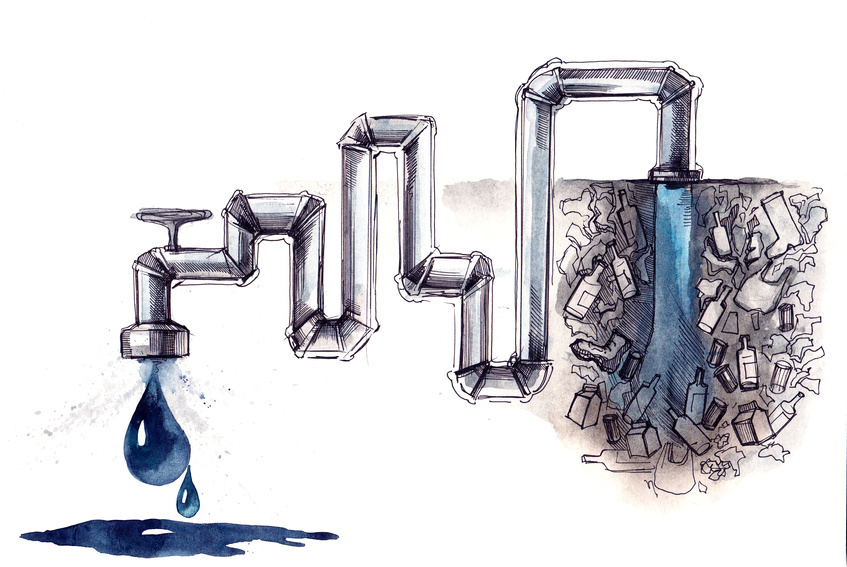
The worldwide water disaster, a paradox of abundance and shortage, calls for speedy and revolutionary options. We face a future the place water sources are strained, and the flexibility to entry clear, protected water just isn’t universally assured. Sustainable water administration practices are now not non-obligatory; they’re crucial for human survival and financial prosperity. Addressing this disaster requires a multifaceted strategy that balances conservation with technological development.Revolutionary water conservation methods and applied sciences provide vital potential to mitigate the results of water shortage.
These options, when applied successfully, can dramatically cut back water waste and improve water safety in weak areas. Water administration in a desert group, for instance, necessitates a paradigm shift, from reactive to proactive measures. This shift calls for a strong built-in water useful resource administration framework.
The irony of water in all places, but not a drop to drink, echoes the sensation of “no time no see” no time no see. This international water disaster, impacting hundreds of thousands, highlights the pressing want for sustainable options. The sheer quantity of water sources out there, but inaccessible, underscores the crucial hole in equitable distribution and infrastructure. It is a stark actuality, highlighting the worldwide water disaster.
Sustainable Water Administration Practices
Efficient water administration calls for a holistic strategy that encompasses all features of water use, from agriculture to business to home consumption. Sustainable practices should prioritize conservation, effectivity, and equitable entry. Water conservation methods ought to embrace environment friendly irrigation methods, rainwater harvesting, and graywater recycling. These practices can considerably cut back water consumption and enhance water safety in each city and rural settings.
Revolutionary Water Conservation Strategies and Applied sciences
Trendy applied sciences provide promising avenues for water conservation. Desalination applied sciences, for instance, are being improved to extend effectivity and cut back the environmental footprint. Superior irrigation methods, incorporating sensors and knowledge analytics, can optimize water use in agriculture. These applied sciences, mixed with behavioral modifications, can rework how we handle and preserve water sources. Leak detection methods for pipelines and water distribution networks can considerably cut back non-revenue water (NRW).
The irony of water in all places, but not a drop to drink, is a potent metaphor. Take into consideration the worldwide water disaster and the pressing want for sustainable options. This stark actuality, nonetheless, is typically overshadowed by different urgent points. For instance, exploring the huge lexicon of 4 letter phrases v, a posh and engaging exploration of language, reveals the human capability for each profound magnificence and harsh actuality.
Finally, the basic human want for clear water stays a crucial problem.
Built-in Water Useful resource Administration Framework (Desert Neighborhood Instance)
A desert group faces distinctive challenges in water administration. An built-in water useful resource administration framework for such a group would come with:
- Water Allocation Planning: Establishing clear tips for water allocation throughout totally different sectors (agriculture, business, home). Prioritizing essentially the most crucial makes use of and using water pricing methods to incentivize conservation.
- Water Conservation Applications: Selling and implementing water-efficient agricultural practices, creating rainwater harvesting methods, and selling environment friendly water use in properties and companies. Incentivizing using water-efficient home equipment.
- Water High quality Monitoring and Administration: Establishing sturdy monitoring methods to make sure water high quality and stop contamination. Implementing efficient wastewater therapy and reuse packages.
- Neighborhood Engagement: Participating native communities in water administration choices, elevating consciousness about water conservation, and fostering a tradition of water stewardship.
Inspiring Options from the “Water In every single place, Not a Drop to Drink” Paradox
The paradox highlights the crucial want for efficient water administration. It emphasizes the hole between available water sources and the sensible actuality of water shortage in lots of areas. This paradox serves as a strong catalyst for revolutionary options. By understanding the underlying points, we are able to design simpler water administration methods that deal with the challenges of accessibility and equitable distribution.
The stark actuality of water shortage, a worldwide disaster, highlights the complicated problem of useful resource distribution. Whereas water abounds in lots of locations, entry to potable water stays a big problem. This disparity mirrors the nuanced variations in care and useful resource allocation between mother and father, as seen within the diversified approaches to elevating youngsters. Understanding the paternal and maternal distinction in childcare and useful resource allocation https://mrpuppy.org.uk/paternal-and-maternal-difference/ is essential to addressing the broader downside of unequal entry to sources.
Finally, the worldwide water disaster underscores the significance of equitable distribution, a precept relevant to each human and pure sources.
Conventional vs. Trendy Water Administration Strategies
| Approach | Effectiveness | Price | Sustainability |
|---|---|---|---|
| Conventional Irrigation (flood irrigation) | Average (excessive water waste) | Low | Low (unsustainable water use) |
| Trendy Drip Irrigation | Excessive (exact water supply) | Average | Excessive (water conservation) |
| Conventional Water Storage (pure reservoirs) | Average (weak to evaporation) | Low | Average (depending on rainfall) |
| Trendy Water Storage (constructed reservoirs, tanks) | Excessive (managed water storage) | Excessive | Excessive (dependable water supply) |
Closing Ideas: Water In every single place And Not A Drop To Drink
The pervasive problem of water in all places and never a drop to drink underscores the pressing want for complete and built-in water administration methods. Shifting ahead, revolutionary options, coupled with a worldwide dedication to sustainable practices, are important to make sure entry to scrub water for all. Addressing the foundation causes of this disaster, by accountable consumption and proactive conservation, can be essential in making certain a water-secure future.
Query Financial institution
What are the several types of water shortage?
Water shortage may be categorized into bodily shortage, the place water sources are merely inadequate to fulfill demand, and financial shortage, the place lack of infrastructure or entry prevents individuals from accessing out there water sources.
How does local weather change have an effect on water availability?
Local weather change alters precipitation patterns, resulting in extra frequent and intense droughts in some areas and floods in others, impacting water availability and high quality.
What are some revolutionary water conservation methods?
Revolutionary methods vary from rainwater harvesting and greywater recycling to using drought-resistant crops in agriculture and water-efficient irrigation methods.
How can we enhance water administration in desert communities?
Built-in water useful resource administration in desert communities includes a multi-faceted strategy encompassing environment friendly water harvesting, rainwater storage, and selling water-wise practices inside the group.
