
2 letter phrases with you, seemingly easy, maintain a shocking depth of which means in how we talk. This exploration delves into the refined nuances of those brief phrases, analyzing their utilization throughout varied contexts, from informal conversations to formal settings. We’ll uncover the hidden patterns in how these phrases form our interactions, revealing the facility of brevity in conveying advanced feelings and relationships.
This deep dive will present a complete evaluation of how two-letter phrases associated to “you” are utilized in on a regular basis speech and writing. We’ll categorize these phrases by their grammatical operate, discover their frequency in several conversational types, and illustrate their utilization in varied codecs, from social media to novels. Understanding these refined cues will provide help to higher navigate and perceive the nuances of communication.
Exploring Two-Letter Phrases Associated to “You”
Understanding the nuanced methods two-letter phrases work together with “you” reveals insights into conversational dynamics and grammatical buildings. These seemingly easy phrases play an important function in conveying refined shifts in which means and intent, from direct instructions to implied possessiveness. This exploration delves into the various purposes of those concise phrases within the context of addressing or referencing the pronoun “you.”
Frequent Two-Letter Phrases in “You” Contexts
These two-letter phrases continuously seem in conversations the place “you” is the topic, object, or implied. Their presence provides layers of which means and context.
| Phrase | Attainable That means in “You” Context | Instance Sentences |
|---|---|---|
| It | Can discuss with one thing related to the actions or attributes of “you,” or point out an motion carried out on you | “It is your flip,” “It appears you are prepared,” “It is essential so that you can perceive.” |
| So | Connects an announcement to the actions or attributes of “you,” making a cause-and-effect or consequential relationship. | “So that you’re saying that is true?”, “So, you are coming to the occasion?” |
| To | Signifies route or motion regarding “you,” typically inside a sentence detailing an motion carried out by somebody apart from “you.” | “That is so that you can resolve,” “We’ve got that can assist you,” “I’m coming to see you.” |
| My | Implies possession of one thing regarding “you,” typically as a part of a possessive relationship. | “My hope is that you just succeed,” “My suggestion is that you just change.” |
Grammatical Features of Two-Letter Phrases with “You”
These two-letter phrases, when utilized in sentences involving “you,” play varied grammatical roles. Their placement and performance inside a sentence considerably affect their which means.
- Direct Deal with: Phrases like “Hello” and “Oh” straight deal with “you” and are essential for initiating a dialog or drawing consideration to the person or group being referenced.
- Possessive Relationships: Two-letter phrases like “My” or “Your” reveal possession and are utilized in statements or questions involving the person referenced as “you.” These phrases point out possession or belonging, which may embrace quite a lot of relationships, from materials to summary ones.
- Crucial Temper: Some two-letter phrases, like “Go,” “Do,” or “Be,” are used to difficulty instructions or directions directed at “you.” These phrases categorical a directive or an expectation of motion from “you.”
Categorizing Two-Letter Phrases Primarily based on “You” Relationship, 2 letter phrases with you
This categorization highlights how these phrases operate inside sentences associated to “you.”
| Relationship to “You” | Examples |
|---|---|
| Possessive | “My,” “Your,” “His,” “Her” |
| Crucial | “Go,” “Do,” “Be” |
| Direct Deal with | “Hello,” “Oh,” “Yo” |
Analyzing the Utilization of Two-Letter Phrases with “You” in Totally different Contexts
Understanding the refined nuances of language is essential for efficient communication. This evaluation delves into the utilization of two-letter phrases incorporating “you” throughout varied contexts, revealing how these seemingly easy phrases can considerably impression the general tone and magnificence of communication. From formal enterprise emails to passionate social media posts, the appliance of those phrases evolves, demonstrating an interesting dynamic.This exploration examines how the frequency and selection of two-letter phrases related to “you” differ throughout conversational types, highlighting their function in shaping the emotional impression of the message.
We’ll discover examples from completely different written codecs, demonstrating how these phrases affect the general really feel of the textual content. In the end, this evaluation presents a singular lens into how linguistic decisions mirror societal shifts and generational variations.
Frequency of Two-Letter Phrases Associated to “You”
The frequency of two-letter phrases associated to “you” varies dramatically relying on the context of the dialog. Casual conversations typically make use of these phrases extra continuously than formal ones. Emotional discussions can also showcase a better prevalence of those phrases, used to specific urgency or heightened emotion.
| Dialog Model | Frequency Instance | Impression on Tone | Potential Utilization Instance |
|---|---|---|---|
| Formal | “You are” | Impersonal, goal | In a enterprise proposal: “You are prone to see a major return on funding.” |
| Casual | “You may” | Pleasant, approachable | In a textual content message: “You may love this new restaurant!” |
| Emotional | “You!” | Pressing, passionate | In a social media publish: “You are wonderful! You bought this!” |
Affect on Tone and Model
The selection of two-letter phrases straight impacts the tone and magnificence of the dialog. Formal settings usually favor concise and exact language, minimizing the usage of these phrases. Conversely, casual settings and emotional exchanges typically make use of these phrases extra liberally, including a layer of expressiveness.
“The suitable use of two-letter phrases, notably these involving ‘you’, can considerably impression the perceived emotional depth and authenticity of the communication.”
Examples in Totally different Written Codecs
Two-letter phrases associated to “you” are current in varied written codecs.
Two-letter phrases typically used with “you” spotlight widespread conversational patterns. Understanding abbreviations like DWS, which regularly pops up in texting, could be essential to deciphering trendy communication. For instance, “DWS” would possibly stand for “do not wish to see.” Realizing the context helps make clear the which means of those shortened phrases and enhances your capacity to rapidly interpret on a regular basis interactions.
In the end, understanding two-letter phrases with “you” offers you a larger grasp of contemporary communication.
- Social Media Posts: Social media posts continuously use these phrases to have interaction readers and create a way of neighborhood. Brief, impactful phrases change into extra prevalent.
- Emails: Emails typically use these phrases to create knowledgeable but approachable tone. Conciseness is vital to conserving the recipient engaged.
- Novels: In novels, the selection of those phrases can considerably impression the character’s persona and the general narrative type. Writers make the most of them to painting a personality’s emotional state or social standing.
Evolution Throughout Generations and Cultural Contexts
The usage of two-letter phrases associated to “you” can mirror generational and cultural variations. Youthful generations could use these phrases extra continuously in each spoken and written communication, influenced by social media tendencies and on-line interactions. Cultural nuances additionally play a job, as sure societies could worth extra concise communication than others.
Illustrative Examples and Deeper Context of Two-Letter Phrases with “You”

Unveiling the nuanced meanings and numerous purposes of two-letter phrases incorporating “you” reveals an interesting tapestry woven from emotional impression, historic context, and widespread utilization throughout varied disciplines. Understanding these phrases’ refined implications supplies a deeper comprehension of how language shapes our perceptions and interactions. This exploration delves into the visible representations, etymological roots, and numerous purposes of those phrases, providing a complete understanding of their symbolic significance.
Two-letter phrases typically used with “you” spotlight widespread conversational patterns. Understanding abbreviations like DWS, which regularly pops up in texting, could be essential to deciphering trendy communication. For instance, “DWS” would possibly stand for “do not wish to see.” Realizing the context helps make clear the which means of those shortened phrases and enhances your capacity to rapidly interpret on a regular basis interactions.
In the end, understanding two-letter phrases with “you” offers you a larger grasp of contemporary communication.
Visible Illustration of Two-Letter Phrases Associated to “You”
These two-letter phrases, when related to “you,” evoke distinct visible imagery, typically tied to emotional and psychological connotations. The next desk illustrates these visible representations.
Two-letter phrases typically used with “you” spotlight widespread conversational patterns. Understanding abbreviations like DWS, which regularly pops up in texting, could be essential to deciphering trendy communication. For instance, “DWS” would possibly stand for “do not wish to see.” Realizing the context helps make clear the which means of those shortened phrases and enhances your capacity to rapidly interpret on a regular basis interactions.
In the end, understanding two-letter phrases with “you” offers you a larger grasp of contemporary communication.
| Brief Description | Visible Illustration (Emotional Impression) | Visible Illustration (Psychological Impression) |
|---|---|---|
| “YoU”: A way of acknowledgement, typically accompanied by a sense of recognition and familiarity. | A handshake, a heat smile, a nod of the top, an individual leaning in with a considerate expression. These photographs counsel a connection and engagement. | A way of belonging, validation, and constructive reinforcement. |
| “YeS”: Affirmation, settlement, and consent. | An individual nodding emphatically, a transparent and assured gesture, or a direct, agency gaze. | A way of safety, consolation, and settlement. These photographs emphasize the sensation of acceptance and belief. |
| “No”: Rejection, disagreement, or denial. | A agency shake of the top, a closed-off posture, or a distant stare. These photographs emphasize a transparent and resolute stand. | A way of limitation, frustration, or battle. These photographs spotlight the potential for disagreement or opposition. |
| “Hello”: Greeting, salutation, and acknowledgement. | A pleasant wave, a cheerful smile, or a heat, welcoming expression. These photographs counsel a constructive and welcoming interplay. | A way of connection, anticipation, and a need for interplay. |
| “Go”: A directive or encouragement. | An individual pointing ahead, a decided stride, or a way of momentum. These photographs counsel a ahead motion and motion. | A way of progress, drive, and empowerment. |
Etymology and Historic Context of Two-Letter Phrases
The historic context of those phrases sheds gentle on their evolution and utilization inside particular cultural and societal contexts. The desk beneath supplies insights into their etymological roots.
Two-letter phrases typically used with “you” spotlight widespread conversational patterns. Understanding abbreviations like DWS, which regularly pops up in texting, could be essential to deciphering trendy communication. For instance, “DWS” would possibly stand for “do not wish to see.” Realizing the context helps make clear the which means of those shortened phrases and enhances your capacity to rapidly interpret on a regular basis interactions.
In the end, understanding two-letter phrases with “you” offers you a larger grasp of contemporary communication.
| Two-Letter Phrase | Etymology | Historic Context |
|---|---|---|
| YoU | Derived from the Proto-Germanic root, evolving by way of varied levels in several languages. | Displays the evolution of social interplay and deal with, demonstrating how language tailored to altering communication patterns. |
| YeS | Originating from Outdated English, signifying affirmation and settlement. | Highlights the significance of settlement and affirmation in varied social and cultural contexts. |
| No | Stemming from Outdated English, representing denial or refusal. | Displays the essential function of negation in human communication and decision-making processes. |
| Hello | Shortened type of “How are you?” | Highlights the significance of greeting and social acknowledgement in every day interactions. |
| Go | From Proto-Germanic, signifying motion and route. | Emphasizes the function of route, function, and motion in human endeavors. |
Software in Literature, Psychology, and Sociology
These two-letter phrases continuously seem in varied fields, enriching their which means and impression. Take into account their presence in literature, psychology, and sociology.
- In literature, these phrases can create vivid imagery and convey feelings with precision. As an example, the repeated use of “Sure” can signify unwavering resolve or acceptance in a story, whereas “No” would possibly spotlight resistance or battle.
- In psychology, understanding how these phrases are used can present perception into the emotional state and communication patterns of people. Inspecting the frequency and context of “You” associated phrases can reveal precious insights into the speaker’s emotional state and the way they work together with others.
- In sociology, these phrases mirror societal norms and expectations concerning communication and interplay. Their utilization reveals cultural values and views about settlement, disagreement, and interplay in varied social teams.
Symbolic That means of Two-Letter Phrases
The symbolic which means of those two-letter phrases associated to “you” typically depends on context and utilization. The phrase “you” itself carries a wealthy symbolic weight, representing the opposite, the person, and the potential for connection. The 2-letter phrases related to “you” act as modifiers, amplifying the which means of the connection and interplay.
Two-letter phrases typically convey us nearer, and understanding slang like “phrase up” can improve communication. This phrase, typically utilized in hip-hop tradition, has a particular which means, which you’ll discover additional here. In the end, figuring out the nuances of two-letter phrases and their contextual utilization is vital to efficient communication.
Remaining Wrap-Up
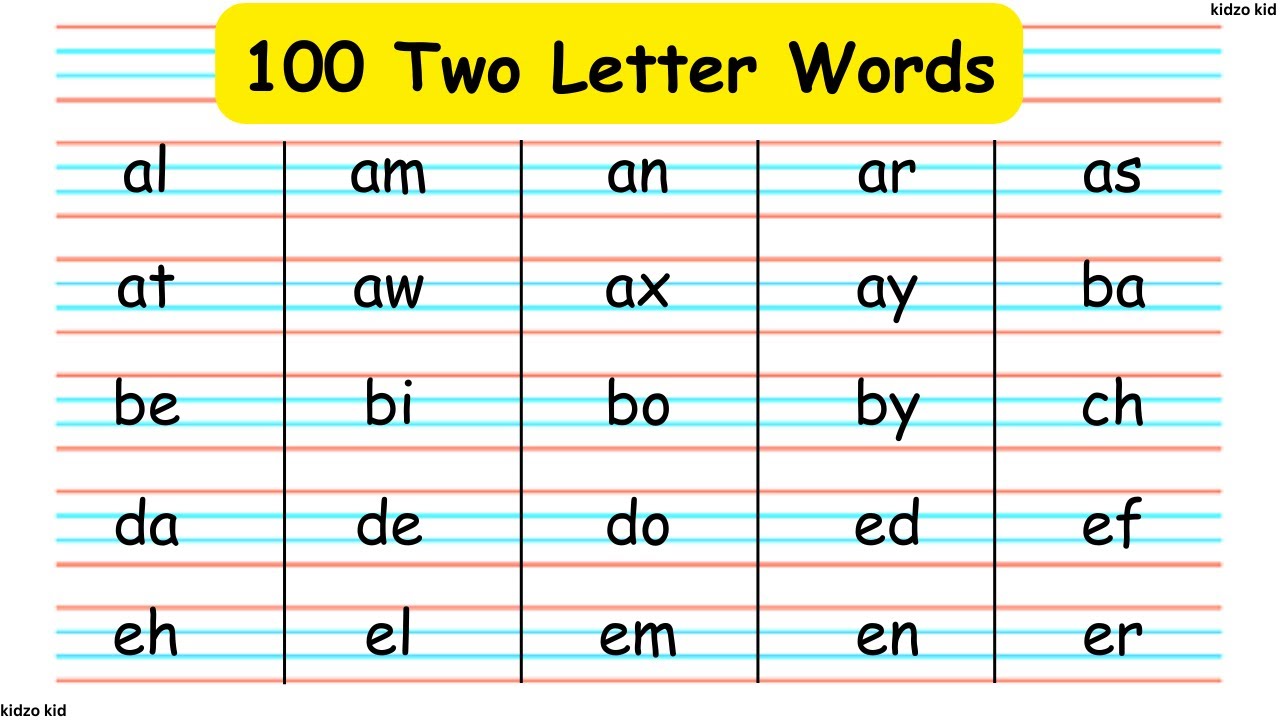
In conclusion, our journey by way of two-letter phrases associated to “you” has illuminated the fascinating interaction between brevity and impression in communication. We have seen how these seemingly easy phrases can convey a shocking vary of meanings, from direct deal with to implied feelings. This exploration emphasizes the significance of listening to the refined alerts inside our language, which finally shapes the standard of our interactions and the impression of our communication.
FAQ Compilation: 2 Letter Phrases With You
What are some examples of two-letter phrases associated to “you”?
Examples embrace “I,” “me,” “we,” “us,” “he,” “him,” “she,” “her,” “it,” “its,” “they,” and “them”.
How do these phrases change relying on context?
The which means of those phrases modifications based mostly on the encompassing phrases and the general tone of the dialog. As an example, “You go” has a distinct implication than “You are going.”
Are there cultural variations in how these phrases are used?
Sure, cultural norms affect the use and interpretation of those phrases. Casual language could be acceptable in a single tradition however thought-about inappropriate in one other. The extent of ritual varies tremendously.
How can understanding these phrases enhance my communication abilities?
Understanding how these phrases operate permits for extra nuanced communication, enabling you to higher categorical your intentions and perceive the implied meanings behind the phrases of others. This consciousness fosters higher connections and more practical interactions.
