
Unveiling the distinction between groundhog and woodchuck reveals fascinating distinctions in these often-confused critters. From their bodily attributes to their behavioral nuances and geographic distributions, understanding these variations is vital to appreciating the delicate but vital variations in these seemingly comparable creatures.
This exploration delves into the comparative anatomy, habitats, and conservation standing of groundhogs and woodchucks. We’ll look at their dimension, fur, facial options, and foraging habits to color a complete image of those exceptional animals.
Bodily Traits

Groundhogs and woodchucks, whereas usually confused, exhibit distinct bodily traits. Understanding these variations is essential for correct identification. These traits, from dimension and fur to facial options, present key identifiers for separating these often-interchangeable creatures.Observing these delicate but vital distinctions permits for a extra nuanced understanding of the animal kingdom. Cautious statement and comparability are key in precisely figuring out these species.
Dimension and Physique Form
Groundhogs and woodchucks are each sturdy rodents, however their sizes and physique shapes differ. Groundhogs typically exhibit a extra compact physique form, showing stockier than woodchucks. Woodchucks, then again, are typically extra elongated and have a barely extra slender construct. This distinction in physique form is noticeable, particularly when observing the animals side-by-side. Dimension varies considerably, and components reminiscent of age and weight-reduction plan play a task in particular person variation.
Fur Colour
The fur coloration of groundhogs and woodchucks additionally varies, though each species usually show comparable earth tones. Groundhogs generally function a brown or grayish-brown coat, whereas woodchucks usually have a extra muted, mild brown or grayish-tan coloration. These delicate variations in fur coloration will be useful in distinguishing between the 2 species, notably in pure habitats. Variations in fur coloration can generally be influenced by environmental components like daylight publicity or weight-reduction plan.
Whereas the groundhog and woodchuck usually get confused, key variations exist. Understanding these distinctions requires a nuanced perspective, particularly when contemplating the sheer scale of one million. This results in a vital query: what number of 0s are in one million? Find out here. Finally, appreciating these delicate distinctions helps pinpoint the correct identification of those fascinating creatures.
Facial Options
The facial options of groundhogs and woodchucks present additional factors of distinction. Groundhogs have a shorter, broader snout in comparison with the longer, extra pointed snout of a woodchuck. The ear form additionally differs. Groundhogs usually have rounded ears, whereas woodchucks possess extra pointed, triangular ears. These delicate variations in facial construction are sometimes ignored however present essential identification clues.
Whereas seemingly comparable, groundhogs and woodchucks exhibit key distinctions. Their bodily attributes, like dimension and coloration, usually result in confusion. Nonetheless, a deeper dive reveals that these variations are essential in figuring out them, and understanding their pure habitats, very like the nuances of on a regular basis observations won’t at all times be as easy as nothing out of the ordinary.
Finally, greedy these distinctions is important for anybody wanting a complete understanding of those fascinating creatures.
Comparative Desk
| Attribute | Groundhog | Woodchuck | Observable Distinctions |
|---|---|---|---|
| Dimension | Stockier, extra compact | Extra elongated, barely slender | Groundhogs seem extra sturdy; woodchucks are extra streamlined. |
| Fur Colour | Brown or grayish-brown | Gentle brown or grayish-tan | Groundhogs usually have a darker coat; woodchucks are typically lighter. |
| Physique Form | Strong, quick and stout | Slender, elongated | Distinct variations in general physique construct, observable from a distance. |
| Facial Options | Shorter, broader snout; rounded ears | Longer, pointed snout; pointed, triangular ears | Facial options are key in distinguishing the species; groundhogs have a rounder face, whereas woodchucks have a extra elongated face. |
Habitat and Habits
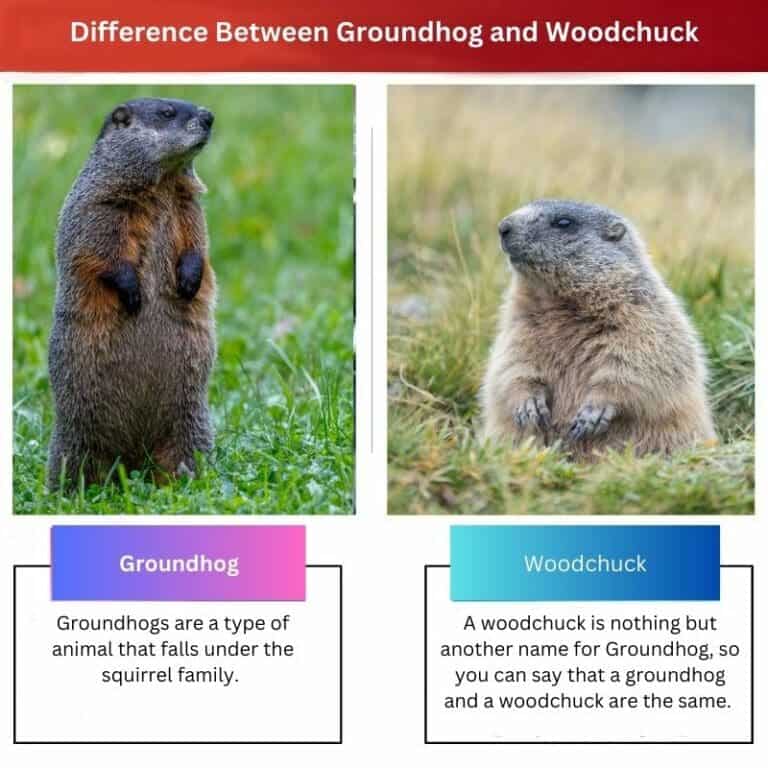
Groundhogs and woodchucks, although usually confused, exhibit distinct ecological roles and behavioral patterns. Understanding these variations is essential for efficient wildlife administration and conservation efforts. Their various wants and interactions with their environments influence the broader ecosystem.Understanding their respective habitat preferences and behavioral nuances supplies precious insights into the complicated interaction between these species and their environment. This information is essential for creating conservation methods that defend each species and the ecosystems they inhabit.
Typical Habitats
Groundhogs and woodchucks, whereas each burrowing rodents, exhibit preferences for barely totally different environments. Groundhogs are usually present in open areas, together with meadows, fields, and even suburban yards, characterised by considerable vegetation and comparatively undisturbed soil. Woodchucks, then again, favor extra closely vegetated areas, reminiscent of forests, woodlands, and thickets. These preferences mirror their foraging and shelter wants, demonstrating the significance of particular ecological niches.
Foraging Habits
The distinct foraging habits of groundhogs and woodchucks reveal their differing ecological roles. Groundhogs are omnivores, consuming all kinds of plant matter, together with grasses, roots, and greens. In addition they incorporate bugs and different small animals into their diets, displaying opportunistic foraging behaviors. Woodchucks, additionally omnivorous, primarily concentrate on plant materials, with a selected emphasis on grasses, herbs, and different vegetation.
Whereas the distinctions between groundhogs and woodchucks will be delicate, understanding these variations is vital. For instance, a fast have a look at the essential vocabulary reveals some attention-grabbing connections. Take into account the widespread two-letter phrases ending in “o,” like “go” or “no,” two letter words ending in o. Finally, pinpointing the exact nuances of their bodily attributes and behaviors stays essential for correct identification.
This dietary specialization, whereas seemingly comparable, underscores delicate variations of their feeding preferences and influence on the encompassing vegetation.
Whereas the groundhog and woodchuck are sometimes confused, key distinctions exist. Understanding these variations is essential for correct identification, particularly when attempting to pinpoint the precise second a groundhog, or woodchuck, might need been sighted. As an illustration, figuring out the precise date of a sighting may doubtlessly connect with the intriguing query of “rue when was this” rue when was this.
Finally, appropriately figuring out these similar-looking creatures is determined by shut statement and a eager eye for element.
Social Interactions
Groundhogs and woodchucks exhibit differing social buildings and interactions. Groundhogs usually dwell in massive household teams, usually exhibiting complicated social hierarchies and complex communication patterns. Woodchucks, whereas additionally social, are typically extra solitary or dwell in smaller teams in comparison with groundhogs, and their social interactions are much less pronounced, although nonetheless necessary for his or her survival.
Whereas the groundhog and woodchuck usually get confused, key distinctions exist. Understanding these nuances is essential for correct identification. Understanding what “WSP” means in textual content will be simply as necessary, relying on context. As an illustration, in the event you encounter “WSP” in a social media submit or textual content message, trying out what do wsp mean in text may make clear its supposed which means.
Finally, appropriately figuring out these creatures depends on cautious statement of their bodily attributes and behaviors, like their burrows and feeding habits.
Responses to Threats
Groundhogs and woodchucks react to threats in distinct methods. Groundhogs, identified for his or her alertness and vigilance, usually give clear warnings to others of their colony when hazard is detected. Woodchucks, whereas additionally cautious, may undertake a extra passive or evasive technique, relying on the perceived risk. This distinction highlights their various diversifications to potential predators and environmental challenges.
Habitat and Habits Comparability
| Attribute | Groundhog | Woodchuck |
|---|---|---|
| Habitat Kind | Open areas: meadows, fields, suburban yards | Closely vegetated areas: forests, woodlands, thickets |
| Foraging Habits | Omnivorous, opportunistic, consuming all kinds of plant and animal matter | Omnivorous, primarily targeted on plant materials, particularly grasses and herbs |
| Social Interplay Patterns | Massive household teams, complicated social hierarchies, elaborate communication | Solitary or smaller teams, much less pronounced social interactions |
Geographic Distribution and Conservation Standing
Understanding the geographic distribution of groundhogs and woodchucks is essential for efficient conservation methods. These species, whereas usually confused, exhibit distinct ranges that affect their interactions and vulnerabilities. Analyzing their overlapping territories and conservation standing reveals necessary insights into their coexistence and the potential challenges they face.
Geographic Vary, Distinction between groundhog and woodchuck
The geographic distributions of groundhogs ( Marmota monax) and woodchucks ( Marmota monax) exhibit vital overlap in sure areas, whereas different areas present distinct segregation. This interaction of shared and separate ranges impacts their conservation wants. Each species are native to North America, with groundhogs primarily discovered within the japanese a part of the continent, whereas woodchucks are unfold throughout a broader space, together with the japanese and central areas.
Conservation Standing
The conservation standing of each groundhogs and woodchucks varies throughout their respective ranges. Components like habitat loss, human encroachment, and illness pose vital threats to their populations. Understanding these threats is crucial for creating efficient conservation methods. The conservation standing of each species is usually thought of to be of least concern, however native populations might face particular challenges relying on the native environmental situations and human actions.
Detailed Geographic Distribution Desk
| Species Title | Vary Map | Conservation Standing |
|---|---|---|
| Groundhog (Marmota monax) | A simplified map exhibiting a primarily japanese North American vary, encompassing areas from the japanese United States and Canada. The map would spotlight areas of dense inhabitants focus and areas with much less prevalent populations. Clear boundaries of their vary could be delineated. | Typically Least Concern, however localized populations might face threats from habitat loss and fragmentation. |
| Woodchuck (Marmota monax) | A simplified map depicting a broader vary throughout North America, encompassing areas of japanese and central North America. The map would show their presence in numerous ecosystems like forests, grasslands, and agricultural areas. The density of their distribution could be visualized, with darker shades indicating increased inhabitants densities. | Typically Least Concern, however threats embody habitat loss and fragmentation, and the potential influence of invasive species. |
Overlapping Areas
Groundhogs and woodchucks share components of their geographic vary, notably within the japanese United States and components of Canada. These overlapping areas current alternatives for each competitors and potential collaborative conservation efforts. Figuring out and managing the assets in these shared areas is important to make sure the long-term survival of each species. Understanding the exact ecological niches of every species is essential for efficient conservation planning.
Final Recap: Distinction Between Groundhog And Woodchuck
In conclusion, whereas groundhogs and woodchucks share similarities, their distinctive traits, habitats, and distributions supply a compelling case examine within the range of nature. Understanding these variations is important for appreciating the intricacies of the animal kingdom and selling conservation efforts. Armed with this data, now you can confidently differentiate these creatures subsequent time you encounter them within the wild.
FAQ Information
What are the important thing bodily variations between groundhogs and woodchucks?
Groundhogs are typically barely bigger and have a extra sturdy construct in comparison with woodchucks. Their fur is usually a extra muted brown, whereas woodchucks can have a reddish-brown or grayish hue. Facial options, like snout size and ear form, additionally supply clues to differentiate between the 2.
How do their habitats differ?
Groundhogs are sometimes present in open grasslands and meadows, whereas woodchucks choose extra wooded areas and forest edges. Their foraging behaviors additionally range, reflecting their most well-liked environments.
Are there any overlapping areas of their geographic distribution?
Sure, there are overlapping areas the place each species will be discovered, primarily in North America. Understanding these overlapping areas is necessary for conservation efforts.
What are some widespread threats to those species?
Habitat loss and fragmentation, together with predation from numerous animals, are widespread threats to each groundhogs and woodchucks. Understanding these threats is essential for implementing efficient conservation methods.
