
With “one other phrase for unbothered” on the forefront, this exploration dives deep into the nuances of this highly effective phrase. From informal conversations to high-pressure conditions, understanding the refined shifts in which means and emotional context is essential. This journey unveils the complexities behind “unbothered” – exploring its numerous interpretations and purposes throughout completely different settings and cultures. Uncovering different expressions and associated emotions will present a richer understanding of this more and more widespread idea.
We’ll look at the contexts the place “unbothered” actually resonates, evaluating it to related phrases like “calm,” “detached,” and “apathetic.” This breakdown will illuminate the refined variations, serving to you discern when one time period greatest captures the meant emotion. Furthermore, we’ll analyze the psychological underpinnings of this state, exploring coping mechanisms and the social implications of displaying “unbothered” conduct. The journey may also cowl how this phrase is utilized in numerous types of media, from social media to literature, and the way its cultural interpretations evolve.
Exploring Completely different Contexts of “Unbothered”
The time period “unbothered” has exploded in reputation, transitioning from an informal slang expression to a extra extensively understood descriptor of emotional states. Its versatility, nevertheless, typically masks nuances in which means, relying on context and intent. This exploration delves into the varied interpretations of “unbothered,” analyzing its purposes throughout numerous eventualities and emotional landscapes.Understanding the multifaceted nature of “unbothered” requires analyzing its utilization in various contexts.
It is not merely a synonym for “calm,” however moderately a nuanced expression that encompasses a variety of responses to numerous stimuli. The important thing lies in dissecting the precise circumstances surrounding its utility.
Eventualities of Feeling “Unbothered”
Understanding the circumstances surrounding “unbothered” is essential. This is not merely a state of tranquility; it is typically a response to particular triggers. Contemplate these distinct eventualities:
- In a social setting, somebody would possibly really feel “unbothered” by a perceived slight or unfavourable remark. This might stem from a sense of self-assuredness, a previous expertise with related conditions, or just a deliberate option to disregard the remark. The related feelings are sometimes a mix of indifference and confidence. An individual would possibly understand the negativity as trivial or insignificant, selecting to give attention to one thing else as an alternative.
- In a difficult skilled atmosphere, somebody would possibly really feel “unbothered” by deadlines or demanding initiatives. This typically implies resilience, prioritization, and a strategic method to problem-solving. They is likely to be assured of their skills to handle the workload successfully, leading to a way of calm willpower. This isn’t essentially an absence of concern however a proactive method to overcoming the problem.
- In a private relationship, somebody would possibly really feel “unbothered” by a associate’s conduct. This might point out emotional detachment or an absence of empathy, but it surely might additionally signify a calculated resolution to take care of emotional boundaries. This case requires cautious consideration, as “unbothered” on this context can signify emotional distance, probably stemming from a previous expertise or a gift need to protect private area.
Nuances in Formal and Casual Settings
The context profoundly impacts the interpretation of “unbothered.” In formal settings, “unbothered” is mostly averted, because it carries an informal connotation. In these situations, extra formal synonyms like “calm,” “composed,” or “unfazed” could be extra appropriate. In casual settings, nevertheless, “unbothered” is ceaselessly used, typically emphasizing a relaxed and confident demeanor.
- Formal Instance: “The CEO remained composed through the shareholder assembly, unaffected by the unfavourable feedback.”
- Casual Instance: “I used to be unbothered by the criticism; I knew my work was sound.”
“Unbothered” and Reactions to Anxious Conditions
The diploma of calmness and indifference related to “unbothered” varies considerably. It will possibly vary from a indifferent statement of a demanding scenario to an entire lack of response. Understanding the depth of the response helps make clear the meant which means.
- An individual feeling “unbothered” would possibly calmly assess a demanding scenario, sustaining composure and prioritizing actions. They continue to be collected and targeted on a decision, demonstrating a strategic method to dealing with the problem.
- In distinction, somebody would possibly exhibit an entire lack of response, showing detached to the demanding scenario. This might signify apathy, detachment, or an entire disregard for the difficulty.
Comparability with Comparable Phrases
The next desk illustrates the nuances between “unbothered” and associated phrases, highlighting their distinct traits:
| Time period | Definition | Instance | Key Distinction from “Unbothered” |
|---|---|---|---|
| Unbothered | Not bothered; unaffected by one thing. | “I used to be unbothered by the rumors.” | Can suggest indifference, calmness, or a strategic method to a scenario. |
| Calm | Free from disturbance or pleasure. | “He remained calm through the disaster.” | Focuses on a state of tranquility, not essentially a response to a particular stimulus. |
| Detached | Having no explicit curiosity or concern. | “She was detached to the end result.” | Emphasizes an absence of curiosity or concern, doubtlessly signifying an absence of empathy. |
| Apathetic | Missing enthusiasm or curiosity. | “He confirmed apathy in direction of the challenge.” | Implies a basic lack of concern or engagement, typically with a unfavourable connotation. |
| Indifferent | Emotionally separated from a scenario. | “She maintained a indifferent perspective on the argument.” | Focuses on emotional distance moderately than an absence of concern in regards to the final result. |
Figuring out Associated Ideas and Emotions
Understanding “unbothered” goes past merely not being bothered. It delves into the emotional and behavioral responses, the psychological underpinnings, and the social interpretations of this often-misunderstood state. This exploration reveals a nuanced image of the idea, from the refined cues to the complicated motivations.A key facet of comprehending “unbotheredness” is recognizing its multifaceted nature. It is not merely apathy; moderately, it typically represents a calculated response, knowledgeable by coping mechanisms and emotional regulation methods.
This response can manifest as resilience, composure, and even strategic detachment. Understanding these nuances is vital to appreciating the true which means of “unbothered” in several contexts.
Synonyms and Antonyms
An intensive understanding of “unbothered” necessitates analyzing its associated vocabulary. This consists of figuring out synonyms and antonyms, specializing in the emotional and behavioral dimensions. Synonyms for “unbothered” can seize completely different shades of the which means, whereas antonyms spotlight the other emotional and behavioral states.
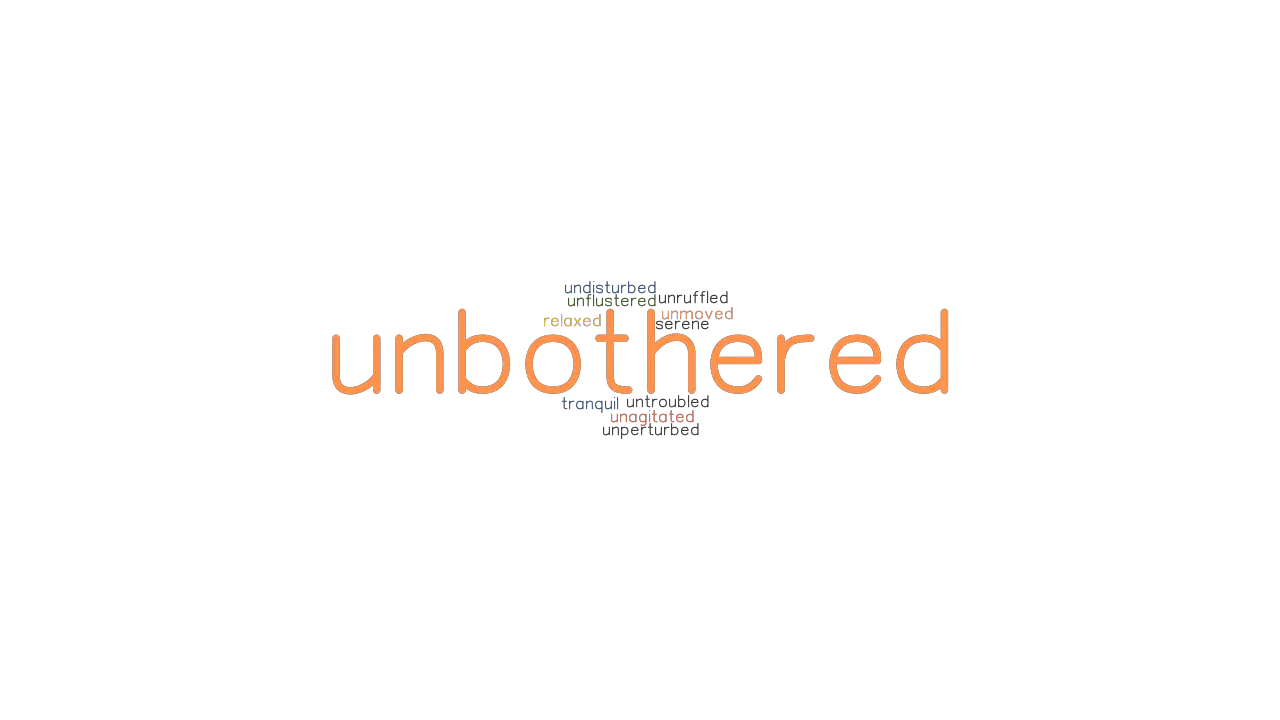
- Synonyms: Unfazed, composed, calm, cool, collected, indifferent, detached, resilient, stoic, relaxed, nonchalant, unconcerned, apathetic, dispassionate, unruffled.
- Antonyms: Anxious, burdened, agitated, apprehensive, bothered, annoyed, upset, tense, reactive, emotional, panicky, flustered, overwhelmed.
Psychological Components Contributing to “Unbotheredness”
Psychological components play a big position in cultivating a state of “unbotheredness.” These components can embody resilience, emotional intelligence, and efficient coping mechanisms.
- Resilience: The capability to get better rapidly from difficulties or setbacks. People excessive in resilience are likely to bounce again from challenges extra readily, resulting in a way of calm and composure.
- Emotional Regulation: The power to manage and handle one’s feelings successfully. This entails understanding and acknowledging emotions with out being overwhelmed by them.
- Coping Mechanisms: Methods employed to handle stress and tough conditions. These mechanisms can vary from mindfulness practices to searching for assist from others.
Social Implications of “Unbothered” Conduct, One other phrase for unbothered
The social implications of displaying “unbothered” conduct are multifaceted. This may be interpreted in numerous methods, resulting in differing reactions from others. Understanding these interpretations is crucial for navigating social interactions successfully.
- Potential Interpretations: “Unbothered” conduct is likely to be perceived as indifference, vanity, and even aloofness. The interpretation hinges considerably on the context and the connection between the people concerned.
- Reactions from Others: The reactions of others can vary from respect to suspicion and even resentment. Understanding the potential reactions helps in navigating interactions extra successfully.
Nonverbal Cues and Physique Language
Nonverbal cues and physique language can successfully talk a state of “unbotheredness.” Understanding these cues permits for higher communication and a extra correct notion of others’ emotional states.
| Nonverbal Cue | Description | Instance | Interpretation |
|---|---|---|---|
| Calm Posture | Relaxed stance, upright however not inflexible. | Standing or sitting with shoulders relaxed, arms at sides. | Confidence, composure. |
| Even Respiration | Regular and managed respiration patterns. | Deep breaths with out seen agitation. | Emotional regulation. |
| Minimal Facial Expressions | Restricted shows of sturdy feelings. | Impartial or slight smile, absence of frowning or grimacing. | Detachment or composure. |
| Direct Eye Contact (or lack thereof) | Sustaining or avoiding eye contact strategically. | Making eye contact with confidence or avoiding eye contact to sign disinterest. | Assertiveness or disengagement. |
Analyzing Utilization Patterns and Cultural Interpretations
The time period “unbothered” has exploded in reputation, transcending its preliminary area of interest on-line communities. Understanding its evolving which means requires analyzing its utilization throughout numerous platforms and cultures, together with its historic context. This exploration reveals the nuances of the phrase and the way its connotations shift with time and place.This evaluation delves into how “unbothered” is employed in several contexts, from social media traits to creative expressions.
We’ll examine the cultural interpretations of this phrase, noting potential biases and exploring its evolution over time. This deeper understanding illuminates the dynamic nature of language and its adaptability to mirror societal adjustments.
Utilization in Varied Types of Media
The time period “unbothered” has permeated numerous types of media, influencing widespread tradition and on a regular basis language. Its utilization ranges from informal social media posts to complicated creative expressions.
- Social media: “Unbothered” is ceaselessly used on platforms like TikTok and Instagram to precise a way of indifference or composure, typically in response to perceived negativity or criticism. This utilization ceaselessly entails visuals and accompanying textual content, typically showcasing a defiant or nonchalant perspective. The visible context performs a vital position in defining the meant which means.
- Music lyrics: The phrase “unbothered” seems in modern music lyrics, typically reflecting themes of confidence, resilience, and detachment. The context throughout the tune, together with the encircling lyrics and musical type, considerably shapes the listener’s interpretation of the which means.
- Literature: “Unbothered” is showing in modern novels and quick tales, typically as a personality trait reflecting a specific persona or perspective. The writer’s selection of phrases and the character’s actions throughout the narrative present deeper insights into the which means of the phrase within the literary context.
Cultural Interpretations and Biases
The interpretation of “unbothered” can range considerably throughout completely different cultures. Components like social norms, particular person values, and historic context affect how the phrase is perceived. Understanding these variations is essential for avoiding misinterpretations and selling respectful communication.
- Cultural variations: In some cultures, expressing “unbotheredness” is likely to be considered as an indication of energy and self-assurance. In different cultures, it might be misinterpreted as aloofness or an absence of empathy. This distinction in notion is usually rooted in various cultural norms surrounding emotional expression.
- Potential biases: The idea of “unbothered” will be perceived in a different way primarily based on components comparable to race, gender, and socioeconomic standing. It is important to acknowledge these potential biases to make sure the phrase shouldn’t be utilized in a means that perpetuates dangerous stereotypes or assumptions.
Evolution of the Idea Over Time
The idea of “unbothered” has advanced considerably over time, reflecting broader societal adjustments. Analyzing historic and modern examples reveals the dynamic nature of language and its potential to adapt to new conditions and contexts.
| Decade | Utilization Examples | Cultural Shifts | Related Meanings |
|---|---|---|---|
| Nineties | (Restricted utilization; primarily in area of interest on-line communities) | Rise of web tradition; early on-line communities | Indifference, detachment, resilience |
| 2010s | Emergence in social media; typically related to a way of empowerment and confidence. | Elevated social media engagement; rise of social activism | Self-assuredness, resistance, defiance |
| 2020s | Broader adoption; used throughout numerous media; nuanced interpretations | Elevated cultural consciousness; social media evolution | Nonchalance, composure, resilience; potential for misinterpretation |
Last Assessment

In conclusion, “one other phrase for unbothered” transcends a easy descriptor. It displays a posh interaction of emotional regulation, social notion, and cultural context. By understanding the nuances and variations in its utilization, we achieve precious insights into human conduct and communication. This evaluation highlights the significance of context and emotional intelligence in precisely deciphering and responding to the idea of “unbothered.” Finally, it is a reminder that phrases carry weight and the exact selection of language can considerably form how we perceive and work together with the world round us.
Skilled Solutions: One other Phrase For Unbothered
What are some synonyms for “unbothered” that emphasize emotional detachment?
Synonyms emphasizing detachment embody “disengaged,” “aloof,” and “indifferent.” These phrases spotlight a extra passive emotional response, suggesting an absence of involvement or concern.
How does “unbothered” differ from “calm” in a demanding scenario?
“Calm” typically implies a managed and measured response to emphasize, whereas “unbothered” can counsel a extra full lack of concern or emotional funding within the demanding scenario, doubtlessly bordering on indifference.
Can “unbothered” be interpreted negatively in sure social contexts?
Sure, relying on the scenario and cultural norms, “unbothered” conduct will be perceived negatively as aloof, insensitive, and even smug. Context is essential in understanding the meant message and avoiding misinterpretations.
How does the utilization of “unbothered” differ throughout generations?
The evolution of “unbothered” utilization displays generational shifts in attitudes and communication kinds. Whereas it might need been related to a extra passive stance in earlier generations, its modern utilization typically signifies a extra proactive and assured method.
