
What’s a gaggle of jellyfish known as? This seemingly easy query unlocks an interesting world of marine biology. Past the ethereal magnificence of those creatures lies a surprisingly complicated reply, one which reveals intriguing insights into their habits and the intricate ecosystems they inhabit. This exploration dives into the nuances of jellyfish groupings, providing a transparent and concise rationalization, together with some lesser-known details.
Jellyfish, typically solitary creatures drifting by the water, do not sometimes congregate in the identical manner as, say, colleges of fish. Understanding their social dynamics, or lack thereof, is essential to comprehending their distinctive existence within the ocean. We’ll unravel the mysteries surrounding their groupings and uncover the scientific reasoning behind the phrases used to explain them, if any.
A bunch of jellyfish is usually known as a “swarm,” however a fast seek for “hook form crossword clue” here may reveal a extra particular time period. Whatever the exact time period, understanding the varied groupings of marine life could be fascinating. In the end, a swarm stays the commonest and broadly accepted time period for a group of jellyfish.
Jellyfish, these ethereal creatures of the deep, fascinate us with their translucent magnificence and mysterious habits. However have you ever ever questioned what a gaggle of those fascinating animals is known as? The reply, surprisingly, is not as easy as you may suppose.
A bunch of jellyfish is usually known as a bloom, or typically a swarm. Delving into the fascinating world of phrases, notably these beginning with ‘q’ or ‘z’, reveals fascinating linguistic nuances. For instance, take a look at q with z words to discover these distinctive letter mixtures. In the end, understanding the terminology surrounding marine life, like jellyfish, is essential to appreciating the intricacies of the pure world.
No Single, Standardized Time period: What Is A Group Of Jellyfish Known as
In contrast to many animal teams, there is not a universally accepted time period for a group of jellyfish. That is largely because of the nature of jellyfish habits. They do not sometimes exhibit the identical social constructions or collective actions as, say, birds or fish. They’re typically solitary creatures, interacting primarily for replica or feeding.
Doable Descriptive Phrases
Whereas there is not any official collective noun, marine biologists and lovers typically use descriptive phrases to consult with teams of jellyfish. These descriptions often rely upon the precise context, and are extra in regards to the
-observation* than a proper classification. For example, you may hear:
- A bloom of jellyfish: This time period is used when a lot of jellyfish are concentrated in a particular space, typically on account of favorable environmental situations. That is maybe the commonest description.
- A swarm of jellyfish: This time period could be used if the jellyfish are shifting collectively in a dense cluster, maybe pushed by currents or feeding patterns.
- A congregation of jellyfish: This time period is a extra common descriptor and can be utilized in instances the place jellyfish are merely noticed collectively.
- A college of jellyfish: Whereas much less frequent, the time period “college” is usually used, borrowing from the collective noun for fish. That is much less correct, however typically employed.
Why No Formal Time period?
The dearth of a proper collective noun highlights an important level about jellyfish habits. They’re typically solitary creatures, with much less pronounced social constructions in comparison with different marine animals. They do not have the identical sorts of coordinated actions or group behaviors that might warrant a particular collective noun. That is totally different from fish, the place colleges are a well-defined behavioral sample.
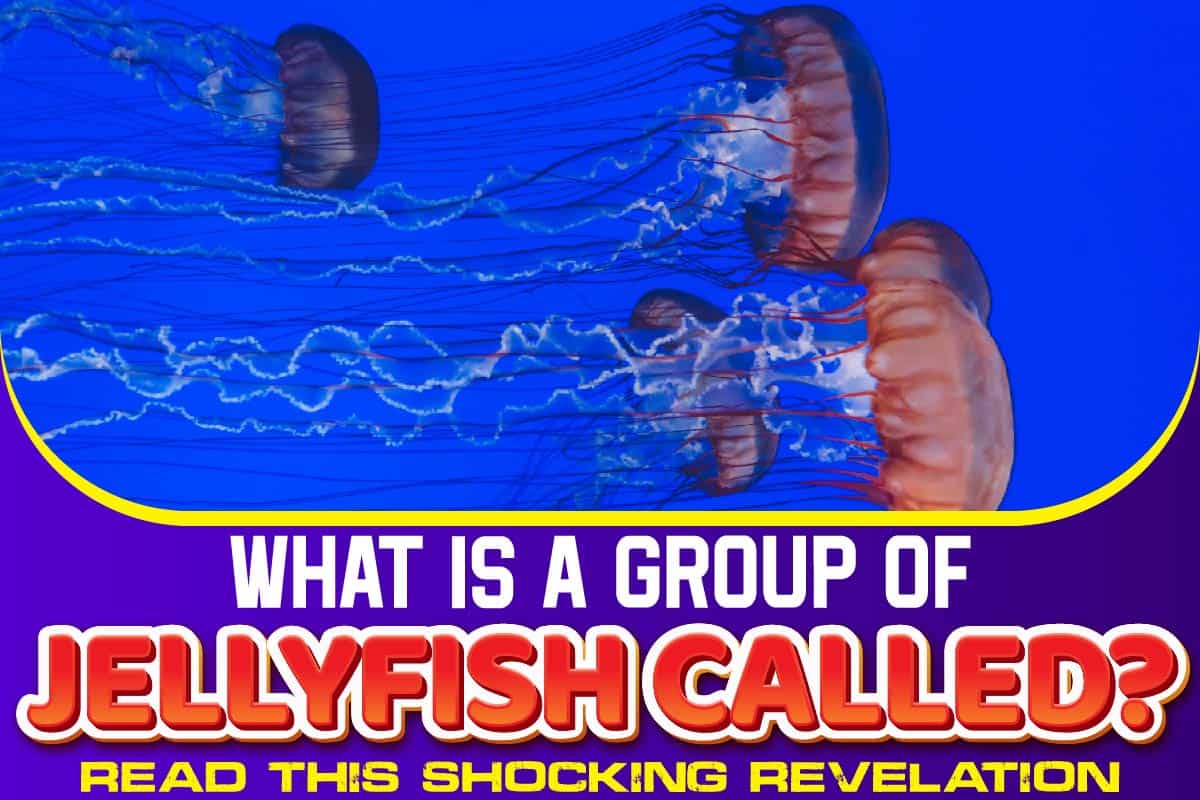
Elements Influencing Utilization
The language used to explain a gaggle of jellyfish typically depends upon the precise scenario and the observer’s perspective. Contemplate these elements:
- Density: A excessive focus of jellyfish could be described as a bloom.
- Motion: Jellyfish shifting collectively in a coordinated manner could be known as a swarm.
- Function: If the jellyfish are gathering for mating, the time period “congregation” could be extra applicable.
Understanding Jellyfish Habits
To higher perceive why there is not any single time period, it is important to think about the complicated biology of jellyfish. They’ve distinctive life cycles and behaviors, which differ tremendously from different marine organisms. For instance, the medusa stage (the acquainted jellyfish type) is only one section of their lifecycle.
A bunch of jellyfish is called a bloom. Understanding this straightforward reality, nonetheless, can result in deeper questions in regards to the affect of sure phenomena, very like a Monday morning quarterback dissecting the sport’s technique after the very fact. Analyzing the patterns of a jellyfish bloom, like dissecting a missed alternative, can illuminate the intricacies of marine ecosystems. meaning of monday morning quarterback.
In the end, understanding jellyfish aggregations generally is a worthwhile instrument for marine analysis. So, whereas the fundamental reply to what a gaggle of jellyfish is known as is a bloom, there’s much more to study their collective habits.
Scientific Perspective
From a scientific standpoint, the dearth of a particular collective noun for jellyfish will not be indicative of any specific behavioral or evolutionary significance. It merely displays the nuances of their habits and the way in which we describe them in several contexts.
A bunch of jellyfish is known as a bloom, however understanding the dynamics of energy dynamics in human relationships, like these explored in a femdom relationship what is a femdom , could be equally fascinating. In the end, an interesting exploration of the varied groupings of jellyfish reveals a fancy internet of behaviors.

In Conclusion
In the end, whereas there is not a proper time period for a gaggle of jellyfish, the utilization of descriptive phrases like “bloom,” “swarm,” or “congregation” precisely displays the commentary of those fascinating marine animals. The dearth of a normal time period highlights the distinctive and infrequently solitary nature of jellyfish habits.
Additional Exploration
To delve deeper into the fascinating world of jellyfish, discover these associated subjects: [See also: Jellyfish Lifecycle], [See also: Jellyfish Threats], [See also: Jellyfish Anatomy]
Have you ever noticed jellyfish in massive teams? Share your experiences within the feedback beneath! And do not forget to share this text on social media to unfold the data!
In conclusion, whereas jellyfish may not type conventional groupings like flocks or herds, their particular person interactions and collective presence inside marine environments are important. This exploration into the terminology used to explain these fascinating creatures highlights the significance of understanding their habits throughout the broader context of the ocean ecosystem. The dearth of a particular time period for a gaggle of jellyfish is telling, prompting additional inquiry into their complicated interactions and the intricacies of marine life.
Question Decision
What’s the scientific time period for a gaggle of jellyfish?
A bunch of jellyfish is usually known as a bloom, or much less generally, a smack. Understanding the nuances of on-line slang, like what ‘HI10’ means, what does hi10 mean , could be surprisingly related to marine biology. In the end, whereas a ‘smack’ of jellyfish could be a much less frequent time period, a ‘bloom’ is probably the most broadly accepted collective noun for these fascinating creatures.
There is not a particular scientific time period for a gaggle of jellyfish. Jellyfish sometimes exist as solitary organisms, and their interactions are much less about collective habits and extra about their particular person wants for survival.
Are there any casual phrases for a gaggle of jellyfish?
Whereas there is not any formal time period, some casual phrases could be utilized in informal conversations, equivalent to a “swarm” or a “cluster” of jellyfish, however these aren’t normal scientific descriptions.
Why do not jellyfish type teams like different marine animals?
Jellyfish have developed totally different methods for survival. Their solitary nature could be on account of their dependence on currents for motion, their feeding habits, or the aggressive nature of their surroundings.
